

The rosemary plant, also known as Salvia rosmarinus, is a Mediterranean shrub with needle-like leaves and flowers of various colors. Prior to 2017, it began with the biological term Rosmarinus officinalis. It belongs to the Lamiaceae sage family, which includes many other culinary and medicinal plants. Latin ros marinus is where the word rosemary originates (dew of the sea). The root system of the henna plant is fibrous.
The rosemary plant has leaves similar to hemlock needles. However, it is native to Asia and the Mediterranean, and it can prevail in colder climates. This can survive severe water shortages over extended periods during droughts. It is advisable to buy a plant rather than starting from seed as it can live up to 30 years and has a low germination rate and slow growth. The color of Rosemary flower is blue.
What is rosemary: physical description
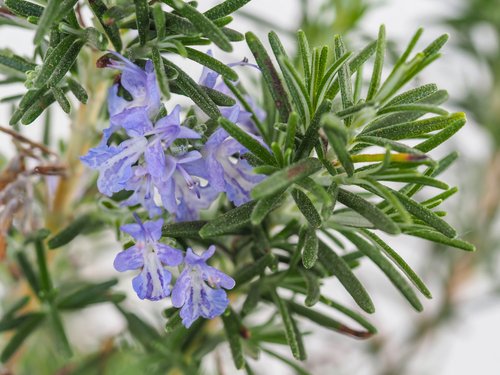
Rosemary is a perennial shrub and usually grows to a height of about 3.3 feet, although some plants can grow up to 2 meters in height. It has linear leaves, which are about 1 cm long and look like small curved pine needles. These leaves are dark green in color and shiny with curled edges and white underside. Rosemary bears small blue flowers in axillary clusters. These flowers are very attractive to bees.
types of rosemary
- prostratus: This variety grows slowly and widely, reaching a height of about two feet and a width of two to three feet.
- Golden Rain: This plant has golden patterns on its leaves and grows two to three feet high and wide.
- album: This variety is distinguished by its white flowers.
- Arb: The plant is renowned for its ability to withstand freezing temperatures and has light green leaves with a lemon scent.
When is Rosemary in Season?
Rosemary is an evergreen plant and can be harvested at any time during the year. However, it is recommended to harvest it in summer for better taste. As far as its cultivation is concerned, spring is the best time to plant henna.
How to plant rosemary?
Although it is possible to produce rosemary from seed, germination is usually slow, and seedling growth is slow. It is highly recommended to start new rosemary plants by pruning established plants. Under exceptional conditions, cuttings grow rapidly and should be ready for outdoor cultivation in about eight weeks.
- When to plant? The optimal time to plant rosemary is in the spring when it’s warm out, and there’s no chance of frost. In general, you can start indoor containers any time of year.
- Location: Rosemary thrives in a sunny location with fast-draining soil. Make sure there aren’t any other giant trees or plants nearby that could shade the rosemary. Rosemary plants can grow indoors or outdoors in pots if given enough light.
- Depth, Support and Spacing: Plant your rosemary bushes at least two to three feet apart. The depth to which they grew in their previous container should be used for planting seedlings and nursery plants. When sowing, the earth should barely cover the seeds. Typically, this shrub does not require a support structure.
Rosemary Plant Care
soil
Rosemary plant grows well in sandy or loamy soil with good drainage. It struggles to thrive in moist, thick clay soil. The optimum soil pH ranges from slightly acidic to neutral (6.0 to 7.0).
Light
Rosemary prefers direct sunlight and cannot tolerate shade. This means that it needs at least six hours of direct sunlight on most days. A south-facing window is best for indoor growth, although lights are often needed to supplement natural light. take it when it’s nice outside rosemary plant So that they can get some sunlight. Inadequate lighting may result in leggy and weak growth.
humidity and temperature
Warm temperatures and average humidity levels are ideal for rosemary plants. Most rosemary varieties have strong heat tolerance but cannot tolerate temperatures below 30 degrees. They prefer a climate between 55 and 80 degrees. High humidity can also lead to rot and fungal problems, mainly if there is insufficient air circulation around the plant.
water
Once established, rosemary shrubs can tolerate drought well; Thus, it is better to drown them rather than giving them excessive water. Allow the top few inches of soil to dry out between waterings, and then water to evenly moisten but do not flood the soil.
pollination
In addition to self-pollination, rosemary plants attract bees and pollinators to the garden. When the weather is very nice and the flowers are open, take indoor plants outside so that pollination can occur spontaneously.
fertilizers
Henna does not eat much. Compost mixed into the soil at planting time can help the shrub get a good start—after that, using a balanced liquid fertilizer as directed on the package will continue to encourage quality growth.
sorting out
Once the rosemary plant has flowered, prune it back as needed to control its growth. Rosemary flowers can be trained into topiary forms and respond well to trimming. However, avoid removing more than one-third of the plant at a time because doing so can stress rosemary flowers and make them more vulnerable to pests and diseases.
How to grow rosemary from cuttings?
The best course of action if you want to multiply your rosemary plant is to start with a cutting. Taking cuttings from an established plant saves money on purchasing new plants and encourages bushier, more branched growth. The spring or summer months are ideal times to make the cut.
- Cut off a stem that is a few inches tall and healthy. For optimal results, select new softwood growth.
- Remove leaves from the lowest part, leaving at least five leaves on the stem.
- Inject rooting hormone into the cut tip.
- Plant the cutting in a moist, soilless potting mix in a small container with drainage holes.
- Place the container in a comfortable area with good indirect light. Make sure the growth medium doesn’t dry out, and spray the cuttings daily.
- After two to three weeks, check the roots by gently pulling on the stem. Resistance is a sign that roots have taken hold. The cuttings are then prepared for transplant.
How to grow rosemary from seed?
Because rosemary seeds are difficult to germinate and are often not true to their parent plant, growing rosemary from sources can be challenging. If you try to grow it from seed, plant more rosemary seeds than you want to grow. Sow seed about three months before your area’s anticipated spring last frost date. Do the following:
- Place the seeds in a tray with moist seed-starting mix, covering them slightly.
- To keep the mixture from drying out, cover the tray with plastic wrap to retain moisture.
- To maintain the soil between 80- and 90-degrees Fahrenheit, place the tray on a heating pad.
- When seedlings begin to appear, remove the plastic wrap and set the tray in a bright area.
- Move the seedlings to individual pots or till they are about 3 inches tall if the weather is nice.
Rosemary: Pests and Diseases
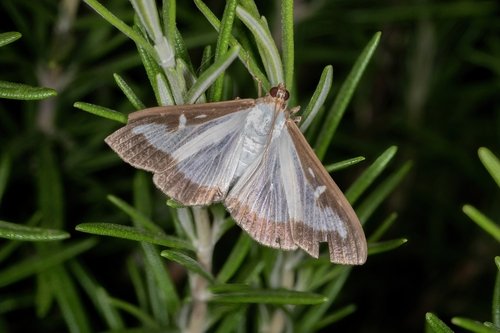
due to pests and diseases
- Excess moisture often causes rosemary diseases in the leaves or soil.
- Powdery mildew and root and crown rot, two diseases caused by an abundance of moisture, often affect rosemary plants.
- If the situation is not changed, crown rot and root rot will destroy the plant, causing heart and stem twisting. This happens when henna is cultivated in clay soil which drains slowly.
- The best course of action is to plow the rosemary and transfer it to a suitable location or put it in a jar where excess moisture can drain.
- Problems with rosemary plants can also be caused by improper irrigation. When rosemary leaves absorb excess water, usually due to excess humidity, rosemary powdery mildew develops. As a result, a grainy white substance develops on the leaves.
- Finding spider mites or thrips on rosemary is irregular; However, it may attract aphids and whiteflies from time to time. Pests are more commonly found on indoor rosemary flowers than on outdoor plants.
- Rosemary leaves are infested by whiteflies, developing thick clusters with their withered bodies. Small infestations of whitefly can cause serious problems. Furthermore, these crises must be dealt with manually before they can be reproduced.
- Advanced infestations require complete uprooting of rosemary plants.
pest and disease prevention
- The biggest method of managing pests and diseases affecting rosemary plants is prevention. Rosemary thrives on stony, fast-draining soils that are poor in fertility.
- Rich, rich soil should be avoided as it increases the likelihood of root problems. In places with dense soil, especially in environments with significant summer rains and high humidity, it is always better to grow rosemary in pots.
- Additionally, it is always better to choose a growing site with full light, adequate circulation, and a climate that allows the leaves to dry rapidly after getting wet.
- Correct cultural habits will also support the continued health of rosemary. During the summer, water traditional rosemary only sparingly, and always allow the soil to dry completely between applications.
- Rosemary flowers thrive in nutrient-poor soil and perform well with a light fertilizer treatment if the ground is composed of sand, decomposed granite, or other nutrient-deficient soil.
- During the summer, feed rosemary monthly by mixing a quarter teaspoon of fertilizer in a gallon of water. Stop feeding the rosemary plant if lush growth is visible after planting.
medicinal uses of rosemary
- Rosemary Plants Contains an element with powerful antioxidant effects called carnosic acid. It is present in the analyzes that it has increased chances of reducing the formation of tumors and reducing the growth of cancer cells in the body.
- Studies have shown effective antiviral, antibacterial and antifungal effects of rosemary’s rosmarinic and carnosic acids. Regular use of henna can reduce infections in the body and boost the immune system’s ability to fight off any bacterial or viral infections that may develop.
- Preliminary studies suggest that the rosemary plant has beneficial effects in reducing anxiety and stress, while additional research is needed. In a randomized experiment involving college students, rosemary was found to promote better sleep and reduce stress more than a placebo.
- Studies in aromatherapy using rosemary flowers have supported some of the claims that rosemary has been used through the ages as a memory aid. One research indicated that breathing in rosemary essential oil significantly improved cognitive function within 20 minutes.
- Rosemary is rich in phytochemicals. Although vitamins and minerals are essential for survival, phytochemicals are also important for preventing disease and maintaining general health.
Henna Culinary Uses

- While rosemary combines well with other herbs, you should only use it in small amounts in meals with lamb, hog, chicken and veal, as well as in soups, stews, vegetables and sauces.
- Rosemary adds a lovely flavor to bread and works well in marinades with garlic, wine and olive oil.
- The aromatic properties of rosemary flowers also improve a bath, bouquet, wreath or sachet.
Rosemary: Toxicity
In the right amount, rosemary is not a toxic plant. However, rosemary essential oil can be toxic in high amounts.
conclusion
In most cases, the rosemary plant requires little maintenance, although poor growing conditions and maintenance can leave it vulnerable to disease and pest infestations. While many common problems with rosemary can be resolved if detected early, others can weaken and eventually kill the plant if not handled.
questions to ask
Does rosemary come back every year?
The rosemary plant is an evergreen perennial that has a long life span within its hardiness range.
Is it easy to grow rosemary?
Rosemary can thrive easily if it gets enough light, heat and soil drainage.
How long does it take rosemary to grow?
The rosemary plant reaches its full size and begins to bloom during the second growing season.


