


2022 was the year of 5G phones and this was mainly facilitated by the wide range of 5G-enabled SoCs that were available in the market. Along with supporting the new wireless connectivity standard, these chipsets also helped manufacturers to come up with incredible innovations in terms of AI-based software. This year we have over 150 nominees across 28 award categories, with winners to be decided by 18 jurors. In this category of the Indian Gadget Awards, we will be awarding the SoC that has made the biggest impact on the smartphone market. Let’s take a look at the winners:
the winner: MediaTek Dimensity 8100 (Mainstream) and Apple A16 Bionic (Premium)
We have winners. Now you can take a look at the chipsets that were nominated in the Mainstream and Premium categories:
Mainstream category (phones under Rs 30,000)
Qualcomm Snapdragon 695

One of the main chipsets responsible for democratizing 5G is Qualcomm’s Snapdragon 695. It features the Snapdragon X51 5G Modem-RF System, which supports multiple frequencies and modes for extreme flexibility and reach. And apart from connectivity, its focus was also on productivity, gaming and image capture. This 6nm chipset has Qualcomm’s high-end Kryo 660 core and Adreno 619 GPU. Phones opting for the Snapdragon 695 include the POCO X4 Pro, OnePlus Nord CE 2 Lite, and the Realme 10 Pro 5G, among others.
MediaTek Dimensity 8100
The 5nm SoC space was dominated by the Dimensity 8100, with the chip delivering 20 percent higher GPU frequency than the Dimensity 8000 model and 25 percent better CPU power efficiency than our previous generation Dimensity chips. It was the first to come with MediaTek’s Imagick 780 ISP, which enabled 200MP image capture and 4K 60fps HDR10+ video capture. The blistering speeds offered by its 2.8GHz octa-core processor make it an ideal fit for gaming phones like the Realme GT Neo 3 5G.
MediaTek Helio G99
It’s not that 4G chips were completely off the ground in 2022. The likes of the MediaTek Helio G99 allowed OEMs to deliver phones with competitive performance levels with lower price tags, such as the Xiaomi Redmi 11 Prime, POCO M5, Moto G72, and more. This has been made possible by TSMC’s adoption of the 6nm process. The MediaTek Helio G99 allowed manufacturers to bring high refresh rate panels to budget phones with ease and also enabled them to have high-resolution camera sensors. For example, the Moto G72 has a 108MP main camera.
Qualcomm Snapdragon 4th Gen 1
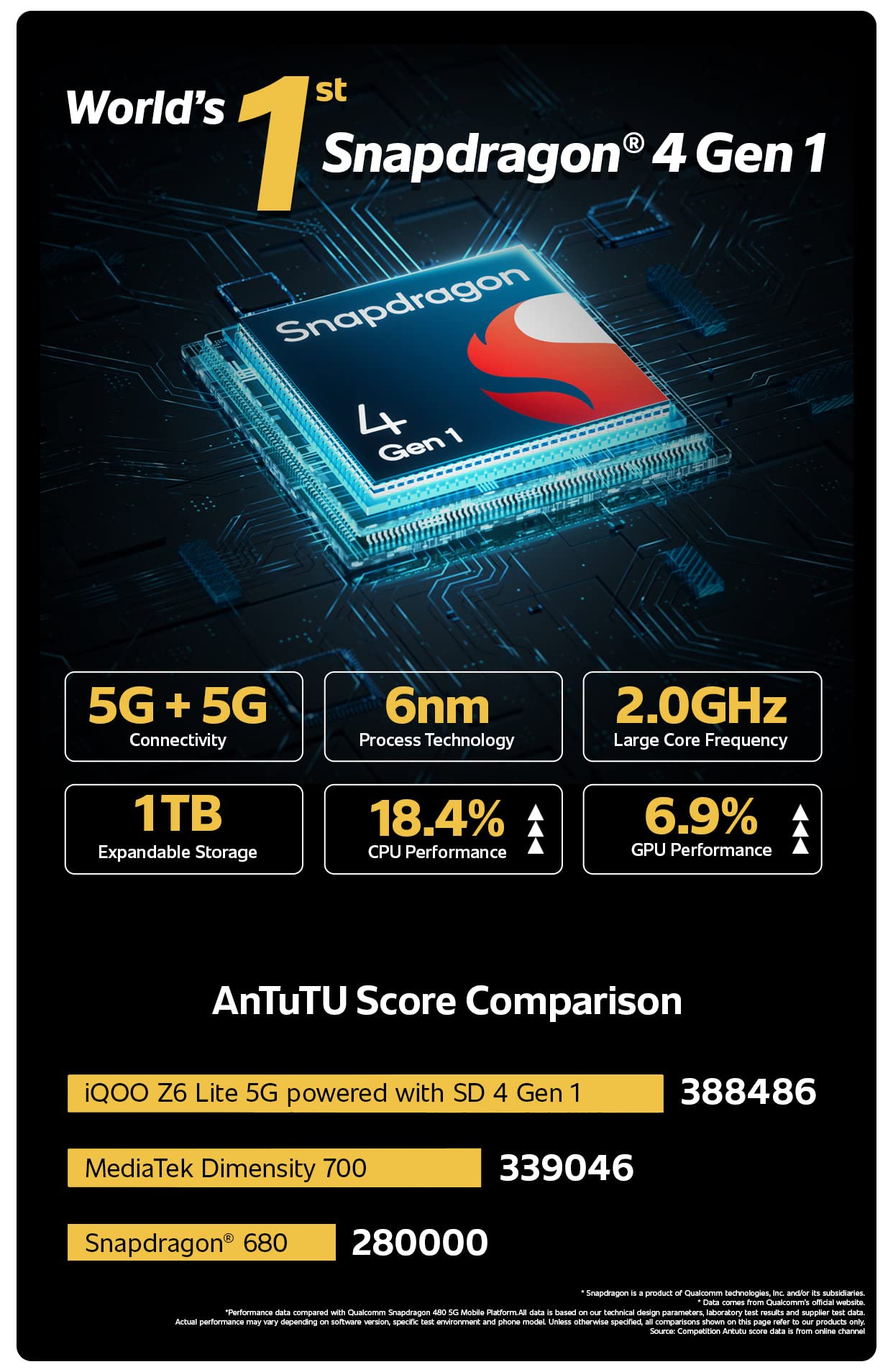
The Snapdragon 400 series morphed into the Snapdragon 4 series but this Gen 1 iteration continues the tradition of delivering impressive features to affordable handsets. Since it was launched late last year, not many phones have adopted it now, but one look at its specs and it is sure that things will change. When it comes to the display module, the 6nm 5G-enabled SoC supports single cameras with up to 108MP and up to 120Hz refresh rates. The recently launched Redmi Note 12 5G, which starts at Rs 17,999, has the Snapdragon 4 Gen 1 at its heart.
Unisoc T612

The sub-Rs 10,000 space requires SoCs that deliver respectable performance, even if they don’t offer much in terms of extra knick-knacks. This is where the Unisoc T612 in 2022 scores big. This allowed manufacturers of low-end 4G phones to offer faster operation, thanks to the inclusion of two faster Cortex A75 cores clocked at up to 1.8GHz and six power-efficient Cortex A55 cores at the same time. frequency. As far as everything else was concerned, things were pretty basic on this offering from Unisoc.
Samsung Exynos 1280
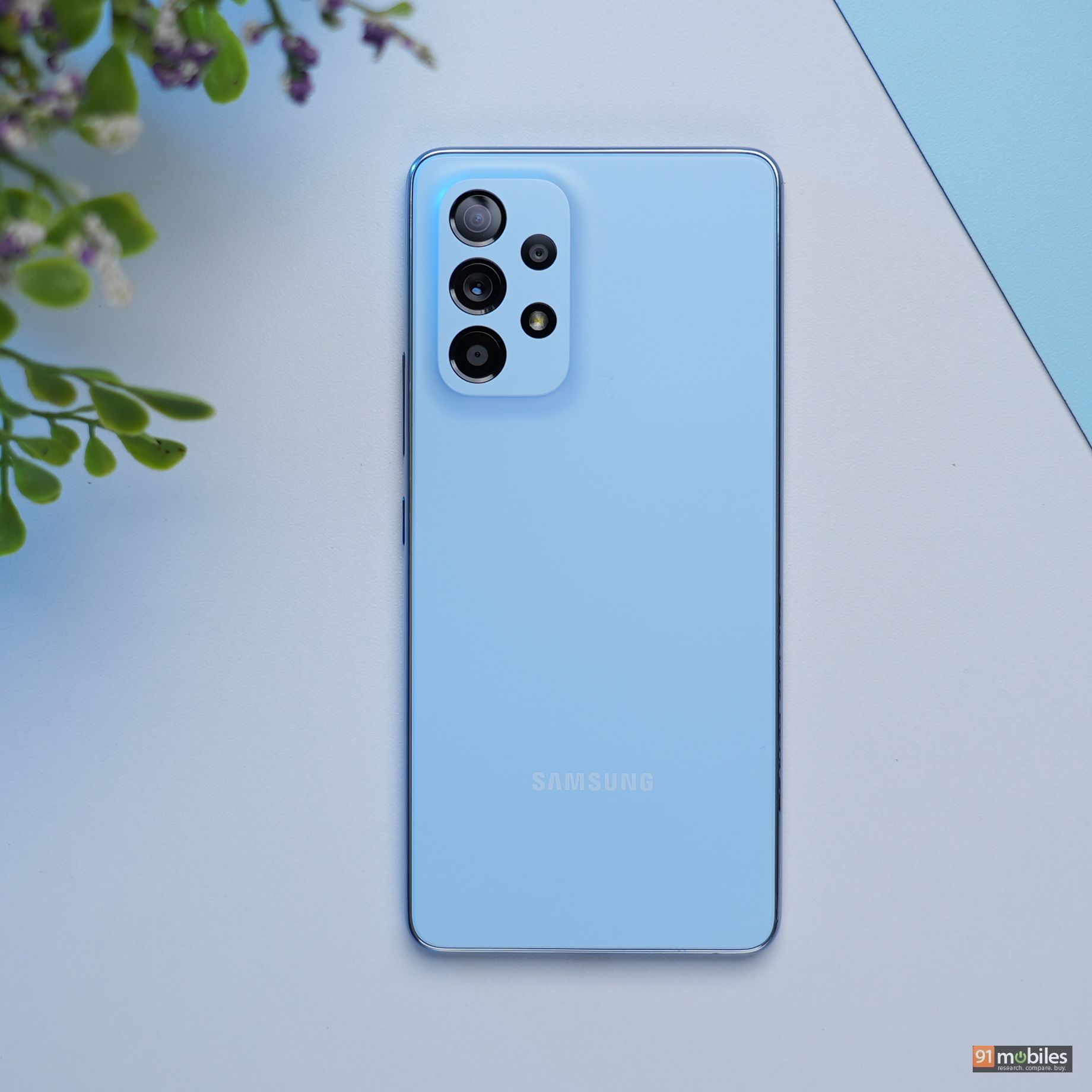
Although Samsung’s flagships in most parts of the world have moved away from the Exynos brand, the Samsung Exynos 1280 SoC has been quietly expanding its coverage with the Galaxy A series of smartphones. The Exynos 1280 is Samsung’s offering for mid-range smartphones, released with the aim of bringing 5G to everyone. Built with a 5nm process, it delivers remarkable performance both in terms of speed and graphics. Plus, it comes with an NPU that enables seamless on-device AI. The Exynos 1280 supports cameras up to 108MP in resolution.
Premium Category (Budget No Bar)
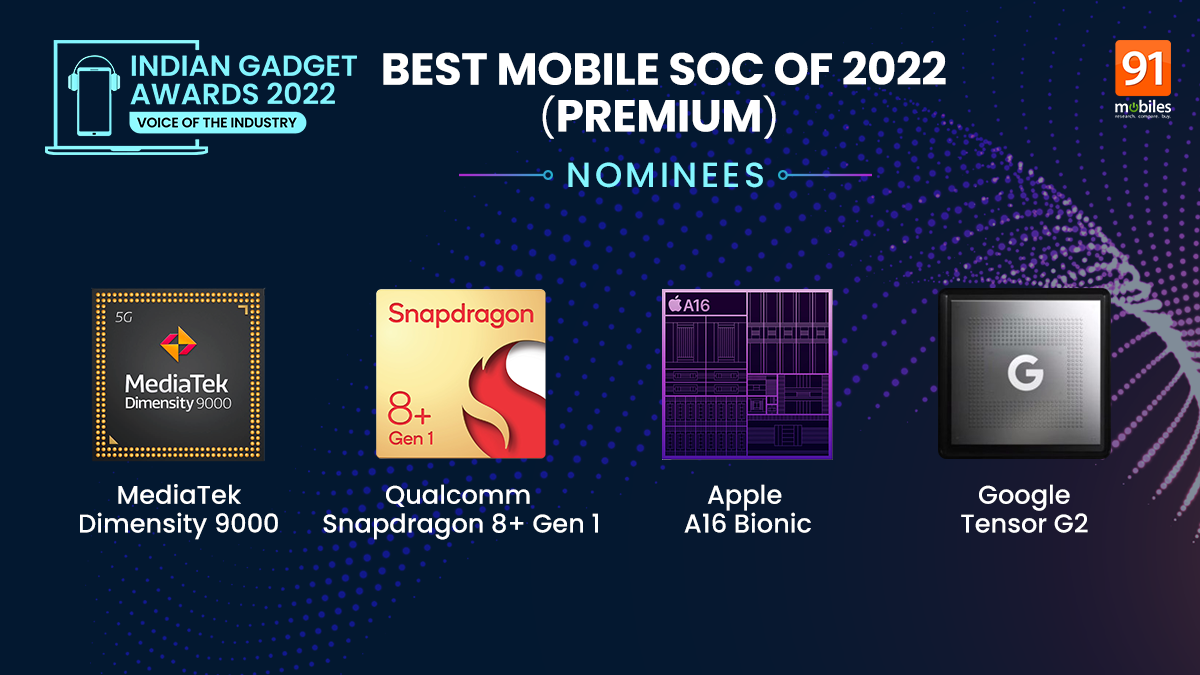
mediatek dimension 9000
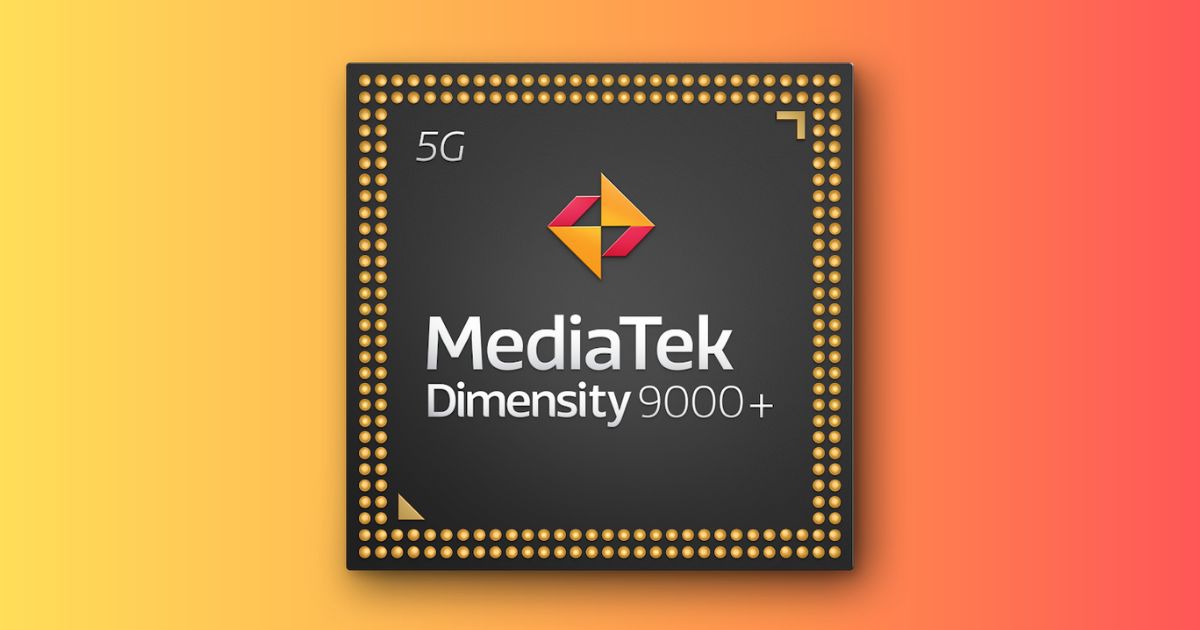
In late 2021, MediaTek surprised us with its announcement of the Dimensity 9000, which looked like it was going to be a tough competitor to Qualcomm’s flagship chip. And it certainly did that and emerged as a winner in many different parameters. Built on TSMC’s 4nm process, it uses the latest Armv9 architecture processor that includes Cortex-X2 cores clocked at 3.05GHz. And it’s high in pretty much every other department, too. No wonder some of the highest-end flagships of the year preferred this chip.
Qualcomm Snapdragon 8+ Gen 1

Qualcomm’s usual year-end release was the Snapdragon 8 Gen 1, which also adopted the state-of-the-art Cortex-X2 core. This allowed the 4nm SoC to deliver 20 percent better CPU performance and 30 percent better power efficiency than its predecessor. And when the Snapdragon 8+ Gen 1 model was launched a few months later, it stunned everyone by offering a 10 percent increase in CPU performance and a 15 percent reduction in power consumption. It’s no surprise that almost every other Android flagship of 2022 adopted this chip.
apple a16 bionic

Apple’s chips are in a league of their own. Hence, when the iPhone 14 Pro range was unveiled, their A16 Bionic SoC was expected to bless them with flawless performance that would last for years to come without any hiccups. And the reviews have proved the same. Apple has achieved this with TSMC’s 4nm manufacturing process to produce a six-core CPU with a peak clock speed of 3.46GHz. This allows it to be up to 40 percent faster than rivals such as the Qualcomm Snapdragon 8 Gen 1, all while consuming 20 percent less power than its predecessor.
google tensor g2
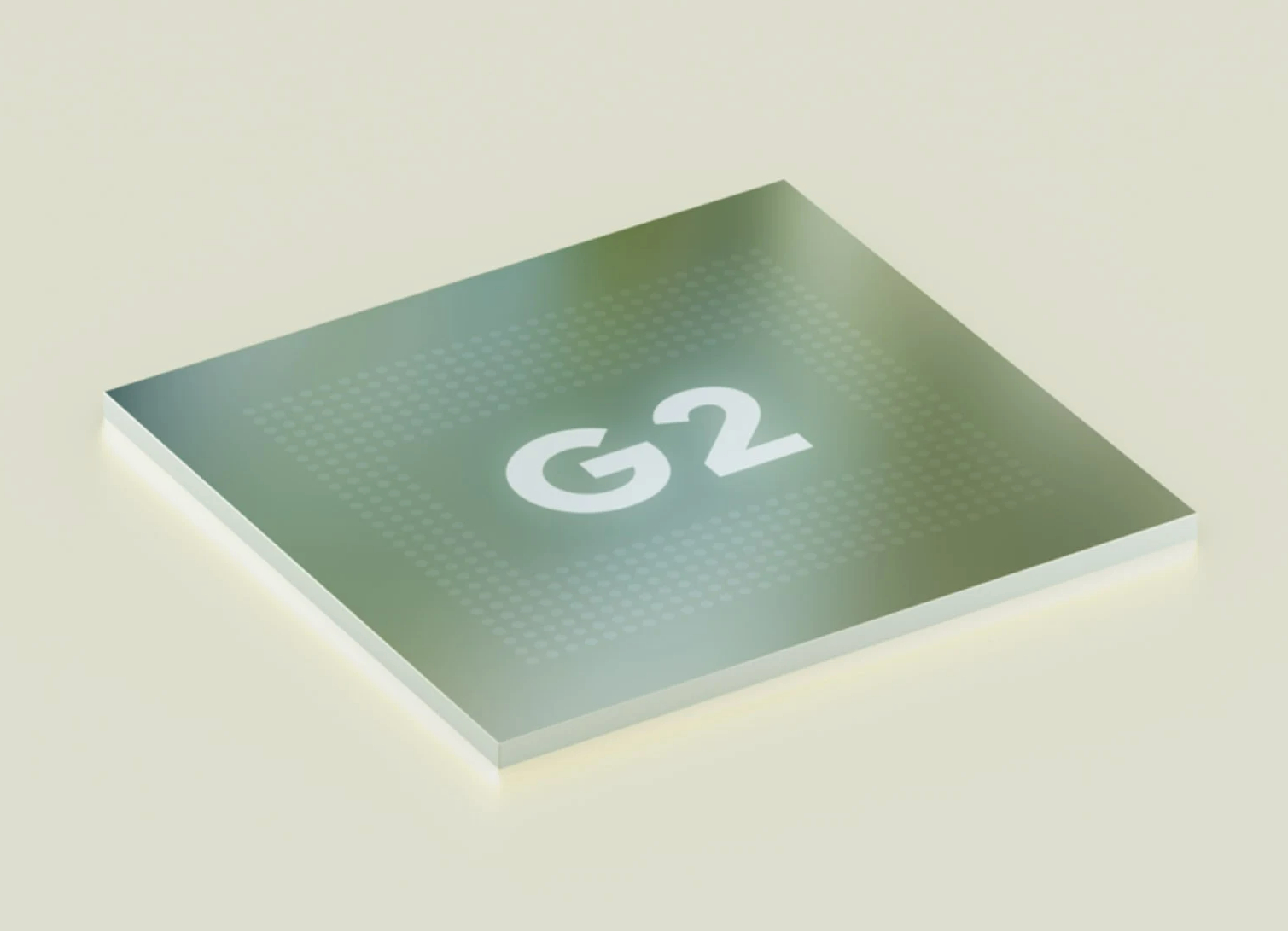
Google took a big leap in 2021 by coming out with its own SoC and followed it up in 2022 with the Google Tensor G2 that powers the Pixel 7 and Pixel 7 Pro. This 5nm chip brings two 2.85GHz Cortex-X1 cores, two 2.35GHz Cortex-A78 cores, and four 1.80GHz Cortex-A55 cores. But its real brilliance lies in how it harnesses the power of its neural engine to enable Pixel 7-exclusive features like Photo Unblur and a faster Night Sight mode. The Tensor G2 is now expected to be a part of the Pixel 7a handset which is expected to arrive by mid-2023.


