

The Fascinating History and Benefits of Mahogany Trees
Indian mahogany is a term sometimes used to refer to a group of trees that are native to India and other parts of Southeast Asia. These trees are members of the genus Swietenia and are related to true mahogany, a member of the Meliaceae family.
Indian mahogany trees are often used for their wood, which is similar in appearance and properties to true mahogany. It is a dense and heavy wood prized for its attractive reddish-brown color and resistance to rot. It is widely used in a variety of applications including furniture making, cabinetry and other woodworking projects. Due to its many benefits, it is also used as a medicinal plant.
Indian mahogany is sometimes referred to as “eaten mahogany”. Other species in this genus include Swietenia macrophylla (sometimes called “big-leaf mahogany”) and Swietenia mahogany (sometimes called “West Indian mahogany”).
Overall, Indian mahogany is a popular wood species that is similar in appearance and properties to real mahogany. It has various applications, especially where strength and durability are essential.
Read also: Swietenia macrophylla: all about big-leaf mahogany
Mahogany Tree: Key Facts
| Botanical name | Swietenia Mahogany |
| Type | tropical hardwood |
| leaf type | Compound, pinnate leaves, each leaf divided into several pairs of leaflets. The leaflets are oblong or ovate in shape and typically 3–6 inches long and 1–3 inches wide. |
| Flower | small, fragrant, white or greenish-white flowers |
| Varieties Available | Three (American Mahogany, Honduras Mahogany and Big-Leaf Mahogany) |
| also known as | Swietenia Humilis and Swietenia Macrophylla |
| Height | 100 feet tall or more |
| Season | Grown throughout the year in tropical and sub-tropical regions |
| Sun exposure | year-round sunshine |
| ideal temperature | temperature that is between 70-90°F |
| Types of soil | well-draining soil that is rich in nutrients |
| soil pH | pH of 6.0-6.5 |
| basic requirements | At least 6 to 8 hours of sunlight per day, regular watering and regular fertilization |
| Ideal Location for Placement | tropical or subtropical landscape |
| ideal growing season | late spring to early summer |
| maintenance | generally low maintenance |
Mahogany Tree: Physical Characteristics
Source: pinterest
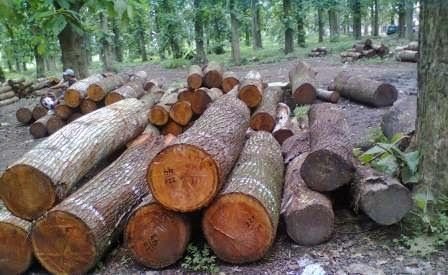
Mahogany trees are large, deciduous trees that are native to the Caribbean and Central and South America. They are known for their attractive and durable wood, which is often used for furniture, flooring, cabinetry, and other decorative or structural purposes.
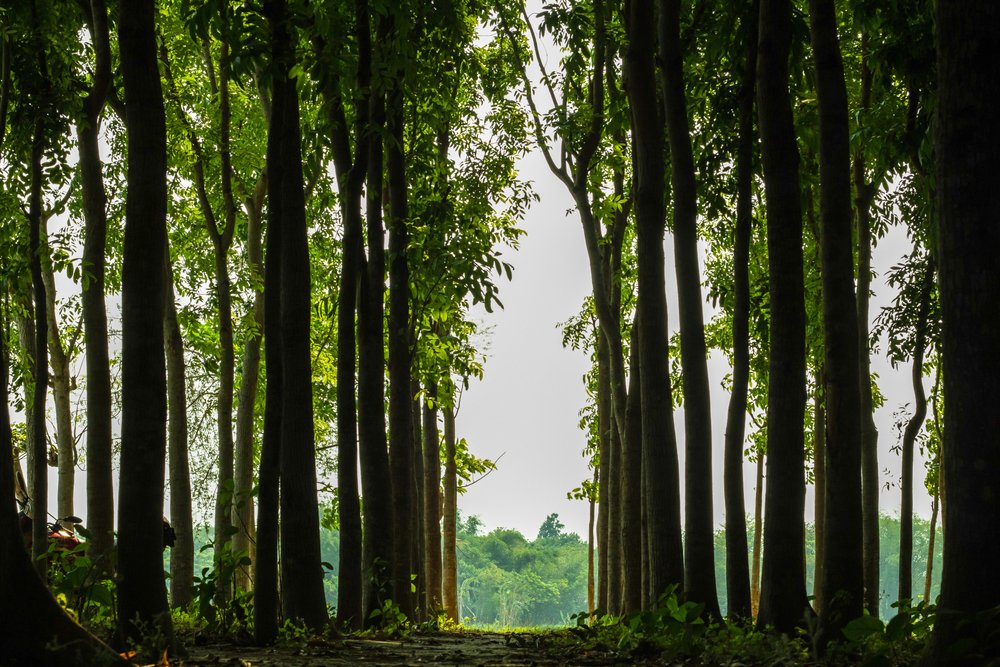
Mahogany trees have a broad, spreading canopy of shiny, dark green leaves that are usually long and oval-shaped with smooth edges. The leaves are attached to the branches with long, slender petioles and they grow in a spiral pattern along the branches.
These trees have a straight, erect trunk with smooth, reddish-brown bark that is speckled with pale, vertical lines. The bark is thick and rough and becomes more deeply furrowed and furrowed as the tree matures.
Mahogany trees produce small, fragrant flowers that are greenish-white or pale yellow in color. The flowers are clustered at the tips of the branches and are followed by small, oblong fruits containing many seeds.
Mahogany trees are valued for their attractive and durable wood and are widely cultivated in tropical regions around the world. In addition, they are valued for their ornamental value and are often used as shade trees or landscape plants.
Mahogany Trees: How to Grow Them?
Source: Shutterstock
Growing and caring for mahogany trees is relatively easy. They can thrive in a wide range of soil types and growing conditions. Here are some tips for growing mahogany trees:
- choose a location: Mahogany trees prefer full sun and warm, moist conditions. They should be planted in a position that receives at least 6-8 hours of direct sunlight per day. They should be grown in well-draining soil that is rich in nutrients and has a pH of 6.0-6.5.
- prepare soil: Before sowing the seeds, loosen the soil to a depth of about 12 inches and add some compost or well rotted manure to improve soil structure and fertility. Make sure the soil is completely drained and not waterlogged as mahogany trees do not tolerate wet or poorly drained soil.
- plant trees: Plant the mahogany tree at the same depth as it was growing in the container and be sure the root ball is well watered before planting. Water the tree deeply after planting to help the roots become established and prevent the soil from drying out.
Mahogany Tree: How to Care for it?
Mahogany trees are relatively easy to maintain. Here are some tips for caring for mahogany trees:
- water regularly: Mahogany trees require regular watering, especially during dry periods or when they are young and establishing their root systems. It is essential to keep the soil moist but not waterlogged to prevent root rot.
- fertilize regularly: Mahogany trees benefit from regular fertilization, especially when they are young and establishing their root systems. A balanced fertilizer, such as a 20-20-20 or 10-10-10 formula, can be used according to the manufacturer’s directions.
- prune regularly: Mahogany trees should be pruned frequently to get rid of dead, diseased, or damaged branches and to maintain a strong, healthy structure. Pruning should be done during the dormant season when the tree is not actively growing.
- protect against pests and diseases: Mahogany trees are generally resistant to pests and diseases but they can be affected by insect infestation or fungal infection. If you notice a problem with your mahogany tree, consult a certified arborist or tree care professional for advice on how to treat the problem.
- knead the soilMulching: Mulching the soil around the base of a mahogany tree can help conserve moisture, suppress weeds, and improve soil quality. Use a 2- to 4-inch layer of organic mulch and be sure to keep the mulch a few inches away from the trunk to prevent rot.
From furniture to medicine: the versatility of mahogany trees
Mahogany is a popular wood species prized for its attractive reddish-brown color, durability, and resistance to rot. Some of the common uses of mahogany are as follows:
- boatMahogany: Mahogany is often used in the construction of boats and other watercraft because it is resistant to water damage and rot.

Source: Pinterest
- musical instrumentsMahogany is famous for making guitars and other musical instruments because it has a warm, mellow tone.

Source: Pinterest
- FloorsMahogany is a durable and attractive choice for flooring and you can use it in both residential and commercial settings.

Source: Pinterest
- cabin materialMahogany is often used to make cabinets and other millwork because of its attractive color and durability.

Source: Pinterest
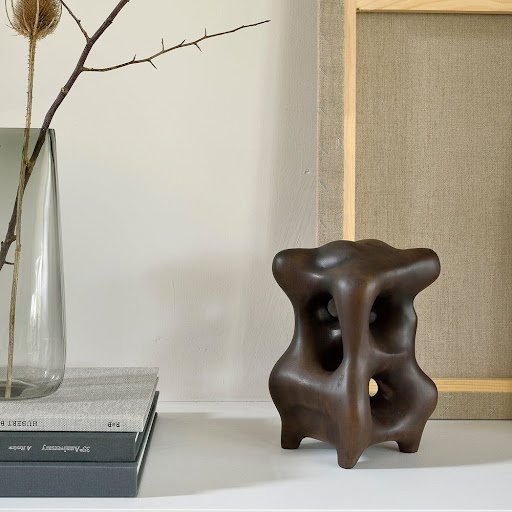
- SculptureMahogany is popular with sculptors because it is easy to carve and holds detail well.
Source: Pinterest
- exterior trim: Mahogany is resistant to decay and can be used for exterior decoration, such as window panes and doors.

Source: Pinterest
In addition, mahogany is used in many other applications including paneling, trim work, and decorative items.
Medicines: The bark and leaves of the Mahogany tree are used as a traditional medicine that treats various ailments like fever, diarrhea and arthritis.
Mahogany Tree: Is Mahogany Wood Suitable For Homes?
Mahogany can be a great choice for your home because it is durable, attractive, and resistant to decay and pests. You can use it in a variety of applications including flooring, cabinetry, furniture and trim work. There are a few things to keep in mind when deciding whether mahogany is a good fit for your home. This includes:
- Cost: Mahogany can be more expensive than other wood species. So, you may need to check your budget if you are planning to use it in your home.
- maintenanceMahogany can be prone to scratches and dents, creating the need to sand and refinish periodically to keep it looking its best.
- Allergies: Some people may be allergic to mahogany. Therefore, it is a good idea to test it on a small area before using it extensively in your home.
- Environmental effectMahogany is a tropical hardwood that is often harvested from rainforests, which can have adverse ecological effects. If you’re concerned about sustainability, consider using a more eco-friendly wood species.
The beauty and resilience of mahogany trees: a natural wonder
Mahogany wood contains compounds that are natural repellants to insects, making them a natural insecticide and insect repellent. In addition, with their heavy deeply penetrating roots, the soil is stabilized thereby preventing soil erosion. The most amazing thing about the mahogany tree is that it has the bandwidth to store carbon dioxide from the atmosphere, thus making it a very important element in fighting climate change.
Overall, mahogany can be a good choice for your home if you are willing to invest in its care and maintenance and are comfortable with the cost.
questions to ask
Is Indian Mahogany the same as Real Mahogany?
Indian mahogany is a type of tree that is very similar in appearance and properties to real mahogany. It is often used in various applications where strength and durability are essential.
What Kind of Trees Can I Plant Near My Mahogany?
There are several trees you can plant near mahogany, depending on your preferences and location. Some types of trees grown near mahogany include pine, red oak, walnut, and bamboo.
What are the uses of mahogany?
Mahogany is a popular wood species prized for its attractive reddish-brown color, durability, and resistance to rot. It is often used in furniture making, cabinetry, and other woodworking projects.
What Are The Benefits Of Using Mahogany Flooring?
Mahogany is a durable and attractive choice for flooring and can be used in residential and commercial settings.
Are Mahogany Trees Poisonous?
Mahogany trees (Swietenia spp.) are not known to be toxic to humans or animals and can be safely used for a variety of purposes.
| Have a question or perspective on our article? We would love to hear from you.Write to our Editor-in-Chief Jhumur Ghosh at jhumur.ghosh1@housing.com |


